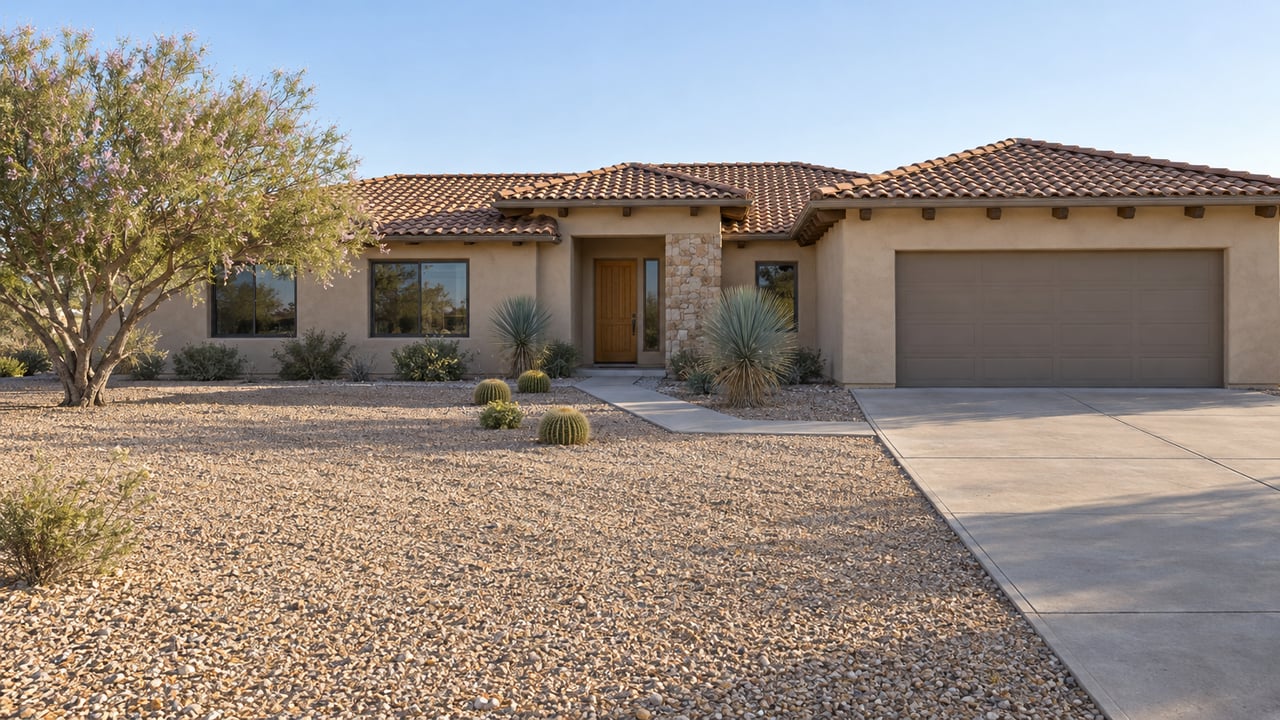
Las Vegas Septic Certification: What to Know Before a Home Sale
November 5, 2026
On a Tuesday night in February, about 1,500 people showed up for a septic meeting at the Centennial Hills YMCA. The room holds 134. FOX5 reported that the Southern Nevada Health District postponed the meeting to find a bigger venue. About two weeks later, on March 11, 2026, the Board of Health voted unanimously to withdraw every proposed regulation tied to new septic fees and inspections. FOX5 reported that the vote kept existing rules and costs in place for thousands of homeowners.
Those existing rules include a step that comes up in many septic and well sales in Las Vegas, and the proposal never touched it. It's the Health District's loan certification, and it checks something most buyers don't expect.
The withdrawn package would have added rules on top of the current ones. One early version, according to Board chair Scott Black, called for an inspection every five years at $226, and that piece had already been dropped from the initial proposal before the February meeting. Since the whole package was pulled, the Health District's existing septic program runs the way it did before. Its septic page still lists "Septic / Well Certification for Real Estate Transactions" as a standing service, along with a tenant improvement sign-off for pools and remodels on properties with septic.
That same page says the Health District has created no program in response to AB220, the 2023 state law, and hasn't been awarded any funds to help residents convert.
A lot of homes go through it. FOX5 put the count at around 17,000 Clark County homes on septic in its February coverage, many of them older homes or in rural areas. In Las Vegas they're scattered. Homeowners in Lone Mountain and Centennial Hills spoke up during the rule fight, as KTNV reported. The Las Vegas Sun has also described an older septic pocket near Sahara Avenue and Rainbow Boulevard.
The Health District's certification procedures page defines a certification as an inspection of the septic system and/or well that the Health District itself performs. Its purpose is to make sure the system is in good condition and meets the regulatory requirements. It's typically done during a real estate transaction and is "often required by lenders." The Health District is the only body in the Clark County area that can issue an official septic certification.
The difference that matters is scope. The district explains that most private septic inspections look at structural integrity. A certification looks at the property "from a regulatory standpoint," checking whether the system still meets the legal requirements. The district also says septic systems typically last about 40 years, many are inspected only when installed, and most properties see development over that time, so a system "may now be inadequate or no longer in compliance."
That's the friction in these sales. A tank can pump clean and work fine for the people living there and still raise questions on a regulatory review. The property around it has changed since the permit was issued, and the certification is measuring that change.
Fees come from the Health District's Environmental Health fee schedule, effective July 1, 2026.
| Certification type | Fee |
|---|---|
| Septic system only | $368 |
| Well only | $368 |
| Septic system and well | $468 |
| File search | $138 |
The fee is due when the certification is requested. If the loan is canceled, it isn't refunded. If a deal falls apart and a new buyer's lender asks for another certification, the fee may come due again.
The Health District lists the costs that sit outside its fee:
Once the field inspection is approved, the original certification is drafted by the next business day, and the requester gets a copy by email. Las Vegas properties are on the Monday inspection schedule. Outlying areas get their own days, including Thursdays for Kyle Canyon, Calico Basin, Cold Creek and Mount Charleston, and Fridays for Henderson and Boulder City. Other days work if the inspector's schedule allows.
The Health District offers well certification as a courtesy. The district calls it "an unbiased 3rd party opinion" of the well's condition and water quality. It requires a water quality analysis called a Routine Domestic Panel. The Nevada Division of Environmental Protection's drinking water testing page discusses certified laboratories and lender-required testing for property transfers.
Well owners also deal with the Las Vegas Valley Groundwater Management Program. Its annual fee is $20 for a domestic well serving one home, and the Southern Nevada Water Authority bills it in late summer.
When a certification turns up a problem, the obvious next question is whether to connect to sewer. The Southern Nevada Water Authority's Septic to Sewer Conversion Program has a partially funded path that covers 85 percent of eligible costs, up to $40,000, subject to funding. Eligible costs include permits, connection fees, design, construction, like-for-like landscape replacement and abandoning the septic tank in place. It's a reimbursement. The program involves three bids from Class A contractors, payment to the contractor in full and reimbursement after closeout. Only existing properties qualify.
In its fiscal 2025-26 budget report dated April 15, 2025, the Water Authority counted 386 applications, 23 completed conversions and $802,798 reimbursed since the program began. Distance is another consideration. Homeowners told FOX5 about quotes running into six figures to bring a main down their street. One quote was "a million dollars to run a main line down towards our cul-de-sac," and the cap is $40,000.
The fully funded path is free, but nobody can apply for it. The Water Authority and local wastewater agencies choose clusters of homes next to existing sewer mains, based on groundwater concerns and engineering feasibility, and contact the owners they select. Well conversion depends on sewer too. The Well Conversion Grant Program covers up to 85 percent of offsite costs when the service line is within 180 feet, 85 percent of utility connection fees, a $500 onsite stipend and the full cost of plugging the well. Applicants have to be on municipal sewer before they can take part, and past-due GMP fees have to be paid before a grant is awarded.
What happened to the proposed fees and inspections? The March 2026 vote withdrew them and kept the existing rules. The certification service that lenders often ask for is part of those existing rules.
Can a private septic inspection replace the certification? The Health District describes them as different in scope and says the requester should check with their lender or agent on what's required.
Is there free help to convert to sewer? The Water Authority describes a fully funded path where the agencies choose the homes, mainly ones next to existing sewer mains.
This post is general information about published Health District and Water Authority programs, not legal or financial advice. Confirm your own property's requirements with your lender, the Southern Nevada Health District and the right licensed professionals.
Septic tanks, well panels and certification timing are the details I watch closely on rural-style properties, whether the lot is in Pahrump or on the northwest edge of Las Vegas. If you're weighing a home on septic or a well and want the records pulled before you commit, reach out to Marci R Wells. Let's Connect.

I offer more than years of experience in Pahrump real estate—I understand what it takes to bring a property together from the ground up. With a focus on rural acreage and new construction, I work closely with builders, developers, buyers, and sellers to help guide each opportunity from the right piece of land to the finished home. My approach is personal and attentive, with clear communication, thoughtful guidance, and hands-on service at every step.

Marci R. Wells
3250 S NEVADA HWY 160 STE 11 PAHRUMP, NV 89048 MARCI RENE WELLS | NV #BS.0144996